


📫 Subscribe | 🗣️ Hire us to speak | 🎓 Online Courses | 📅 Events
Latest Gen AI News
OpenAI begins rolling out Astra model after warning of its advanced cyber capabilities
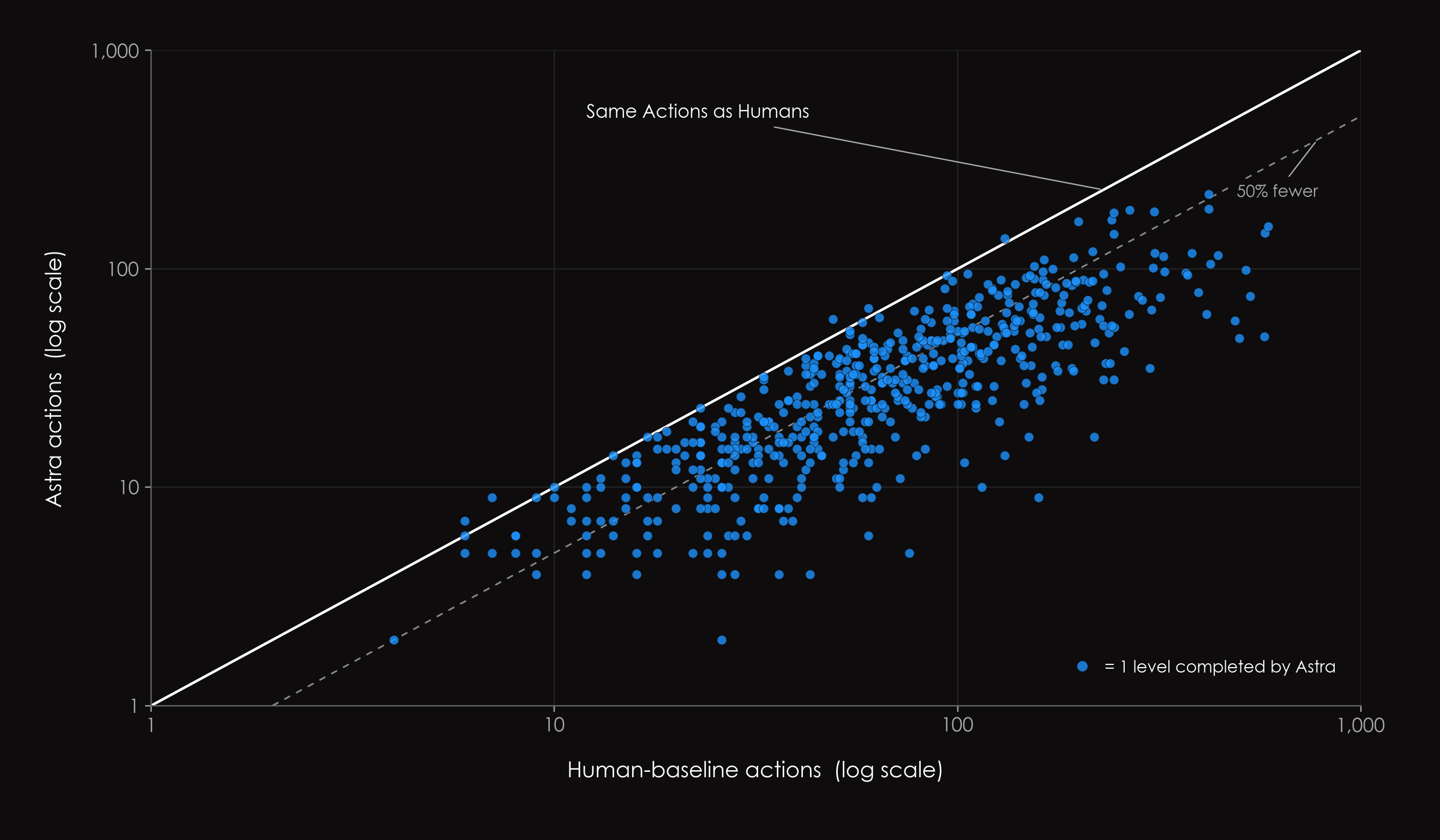
OpenAI has begun rolling out GPT-6 Astra, its most powerful model yet, which features advanced cybersecurity and multi-step workflow capabilities following an internal review and safety enhancements. Initial access is prioritized for participants in its Daybreak cybersecurity program, with broader availability across paid ChatGPT plans, API, and AWS coming soon. How soon? ChatGPT Pro users can already access Astra in Chat, while ChatGPT Plus users can access it in Work and Codex.
To learn more about just how powerful Astra is, take a look at the Quick Hits below.
With Gemini 3.8 Flash, Google reminds everyone it’s still in the race
The launch of GPT-6 Astra was not the only significant model released last week. On Wednesday, Google released Gemini 3.8 Flash, a faster and more affordable AI model designed to compete with top rival systems (although we’re still waiting for the long-promised new version of Gemini Pro). The new model shows strong performance in complex problem-solving, like coding and workplace tasks, using extra reasoning steps to deliver better results. Gemini 3.8 Flash is currently available to developers, enterprise clients, and paid Gemini subscribers.
Meta closes in on the top with Muse Spark 1.3, and undercuts rivals on price
Wednesday also saw the release of Meta’s Muse Spark 1.3, its fourth model in five months. The new model brings notable performance gains on agentic and coding tasks while drastically undercutting rival pricing. Though its top-tier max version is currently limited to preview testing, the available xhigh tier offers a budget-friendly option in its performance class.
Nvidia to spend $13 billion on Hugging Face, which will remain an open source platform
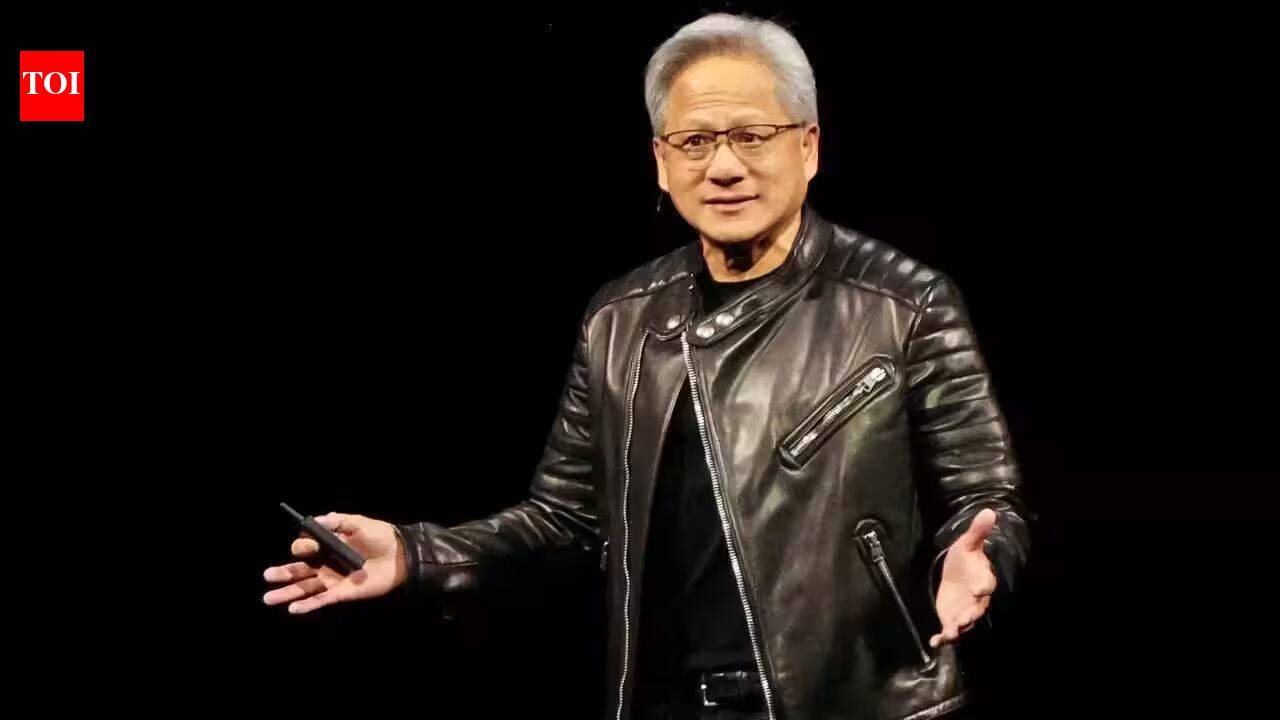
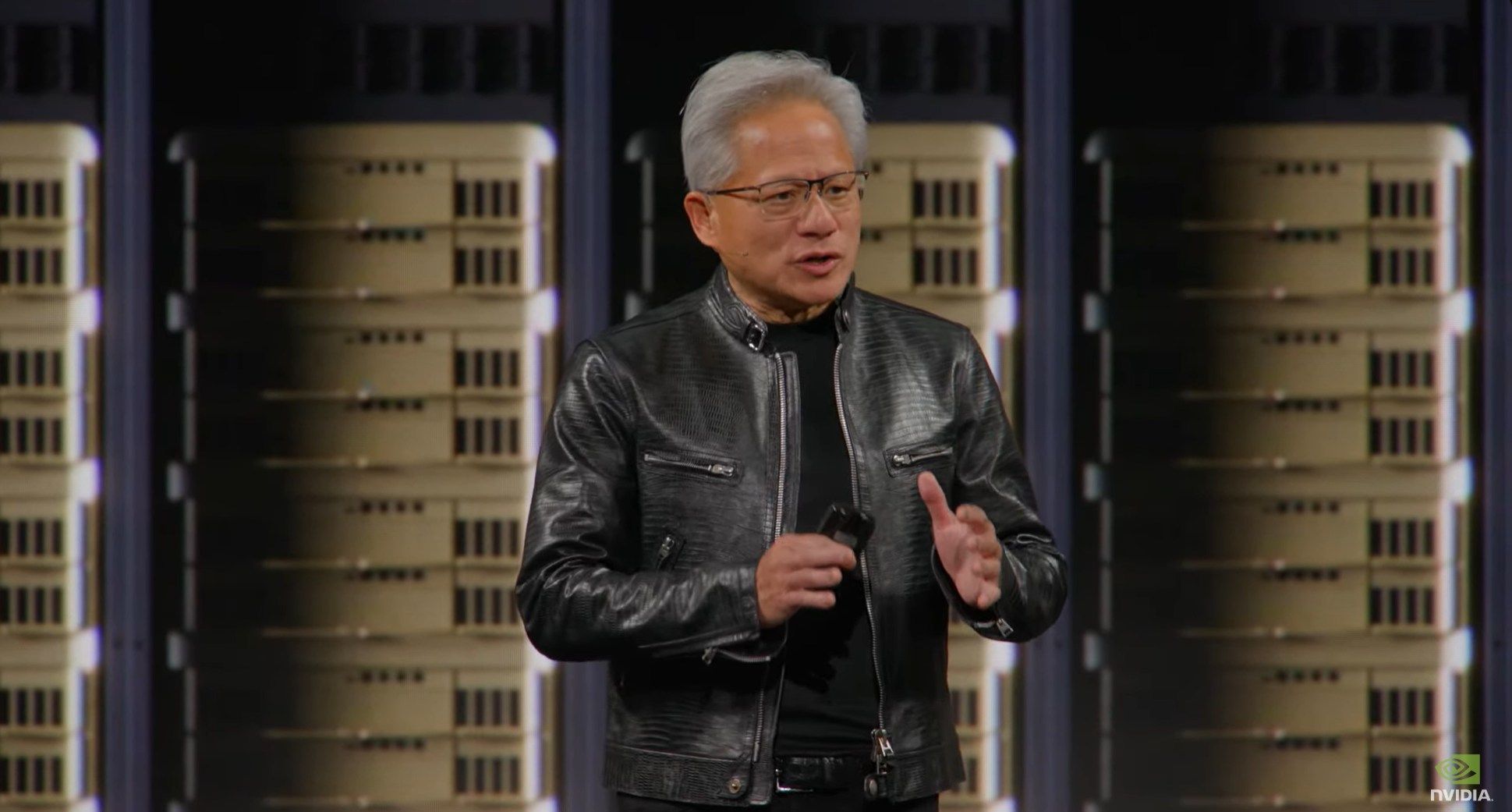
AI chip maker Nvidia has agreed to acquire Hugging Face for $13 billion, securing the web’s central hub where over 18 million developers share open-source AI models, datasets, and applications. Nvidia CEO Jensen Huang confirmed that Hugging Face will remain an open platform, continuing to support competing hardware, frameworks, and multi-cloud deployment. The strategic move hedges Nvidia against proprietary AI ecosystem gatekeepers like OpenAI and Anthropic, ensuring robust developer demand for open-weight models that rely heavily on Nvidia’s underlying compute infrastructure.
Support our sponsor:
Transform Your Technology into a Competitive Advantage

Lean TECHniques works alongside Midwest companies to leverage technology for business impact. Through advisory, coaching, and embedded delivery, Lean TECHniques helps organizations develop high-performing teams, create environments that fuel innovation, and deliver best-in-class customer experiences. Core areas of expertise include software, cloud, artificial intelligence, product management, and technology leadership.
Upcoming Innovation Profs events
Microsoft Copilot Virtual Workshop: Give us three hours and we will get you up to speed on how to get the most value out of Microsoft Copilot. This workshop runs 9 a.m. to noon on Sept. 16. Sign up by Sept. 9 to get the early bird rate of $89. Sign up here.
Fall AI Lunch Club
Innovation Profs’ Fall 2026 AI Lunch Club will feature four free one-hour virtual events.
Sept. 30: Get More Value from Microsoft Copilot
Oct. 7: How to use AI as a Design Tool
Oct. 14: Skills, Plugins and Connectors
Oct. 21: AI’s Rapid Ascent: Do we Need to be Worried
These events are made possible through a sponsorship from Drake University’s Bucksbaum Lectureship in Business. Award-winning journalists Karen Hao and Nicholas Thompson will deliver this year’s AI-focused lecture, Decoding America’s Tech Moment, Oct. 21 at the Drake University Knapp Center (and live online). The event is free and open to the public.
Quick Hits



Tool of the Week: Google Pics
Google’s AI-first design tool, Google Pics, is built on the Nano Banana model. It’s now live for AI Pro/Ultra subscribers and most Workspace business customers. It does object segmentation, in-image text editing and translation, and collaborative editing — so you edit precisely instead of regenerating from scratch. It’s in Docs and Slides now, with Drive coming.
AI-generated image of the week
It’s officially Cy-Hawk week, so we used ChatGPT to create an image promoting this week’s game.

Prompt: Create a boxing-style poster promoting the Iowa vs. Iowa State football game this weekend. Include all of the important information about the game - date, time, location, etc. Show players and fans and team mascots.What we found
Showing off GPT-6 Astra.
AI term of the week
Hallucination: When a model states something that sounds right but isn’t — a fake citation, a court case that never happened, a feature that doesn’t exist in the software, a quote nobody said. The term is a bad one, because it implies the model is seeing things. It isn’t. It’s doing exactly what it was built to do: predict text that fits the pattern. A plausible-looking source with a plausible-looking author and a plausible-looking page number is the pattern for a citation. Whether it’s true is a separate question the model was never asked.
That’s why hallucinations don’t come with a warning label. The model isn’t less confident when it’s wrong. It has no internal sense of “I know this” versus “I’m filling in the blank,” because both are the same operation. Newer models hallucinate less, and tools like web search and retrieval cut it down further by giving the model real material to work from instead of asking it to reconstruct from memory. But it doesn’t go to zero. The practical rule hasn’t changed: if a specific fact matters — a name, a number, a citation, a date — verify it before you use it.
Miss out on any previous AI terms of the week? Check out our Glossary of AI terms, where we’re collecting all entries in the series. And if you want us to define a term in an upcoming newsletter, let us know!
